Consultancy
Consultancy for global rollouts and localization processes
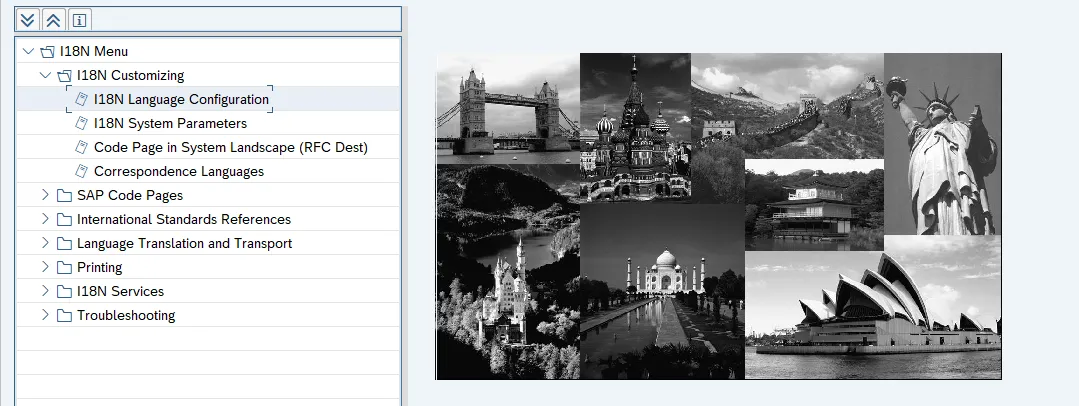
For over 25 years, we have advised companies as an SAP language consultancy partner, from planning global rollouts and selecting suitable tools to configuring SE63 and designing translation workflows. We help you launch in multiple languages on schedule, with predictable effort and consistent wording across user interfaces, training materials and documentation.
What we advise on
-
Global rollouts
The language side of a rollout: which systems, clients and object types, in which order, and how translation keeps pace with development.
-
Scoping
Reliable figures before you commit: untranslated and changed texts, repetitions, effort and schedule per language.
-
Tool selection
Which tools fit your project: SE63, SAP Translation Hub, AILT or a combination, weighed by quality, cost, security and effort.
-
SE63 configuration and training
Initial setup of the SAP translation environment with an evaluation run per language, and on-site training for your team.
-
Process design
Translation workflows that fit your development cycles, transport routes and tools, with clear responsibilities and review points.
-
Risk assessment
Quality, schedule, data protection and vendor risks, identified early, with measures that keep them under control.
The translation lifecycle of a rollout
-
Scoping
Which objects, languages and volumes, with effort and schedule per language.
-
Initial translation
The full scope translated with the right tools, key terms agreed before work starts.
-
Delivery
Translations transported, tested in the quality system and released for go-live in the production system.
-
Delta management
New and changed texts from each release translated, so every language stays current.
Repeats with every release
Phase 1: Scoping
An SAP rollout rarely fails on translation quality. It stalls because nobody knew what had to be translated, and the budget was a guess. Scoping turns your system landscape into a number you can defend:
- Where the content lives: systems, clients, custom developments, Fiori apps, customizing, master data and forms, and the transport route from development to production
- Which language is the source, and whether texts written in a second development language, or by non-native writers, need a pass first
- Whether the system is ready: target languages installed, language imports and client maintenance up to date
- An analysis per language, fine-tuned to leave out what nobody should pay to translate
- The content outside the system, such as documentation and training material
Scoping also settles who does what in the project, and which tools fit: SE63, SAP Translation Hub, AILT or a translation tool such as memoQ, often more than one.
Phase 2: Initial translation
The bulk pass over everything in scope. Key terms are agreed before translation starts, so every language uses the same words from day one. With those terms and a translation memory in place, most of the content can be pre-translated and reviewed where it matters, rather than translated from scratch.
Phase 3: Delivery
Translations travel like any other change: along the transport route agreed during scoping, from development through the quality system into production, with the same approvals as the rest of the release.
The sign-off that counts happens on the screen, in context, not in a file. A term that reads well in a spreadsheet can still be wrong in a 20-character field on a Fiori tile.
Phase 4: Delta management
The phase that determines whether the investment pays off in the long run, and one that is often overlooked in planning. Customizing is continuously updated, and custom developments introduce new and modified texts. As a result, translations that were correct yesterday can quietly become outdated.
When delta management is handled as a regular process (analyzing changes, translating new and modified texts, and transporting them), the effort remains manageable and predictable. When changes accumulate over time, however, they can quickly turn into a major follow-up project.
Further reading
For a more detailed look at each phase, project roles, language dependencies and tool selection, read “Best practices for SAP international roll-out projects” on the AILT blog.
Talk to a consultant
Tell us about your rollout or your process, and we suggest how to start.
Talk to a consultant
Tell us about your rollout or your process, and we suggest how to start.